

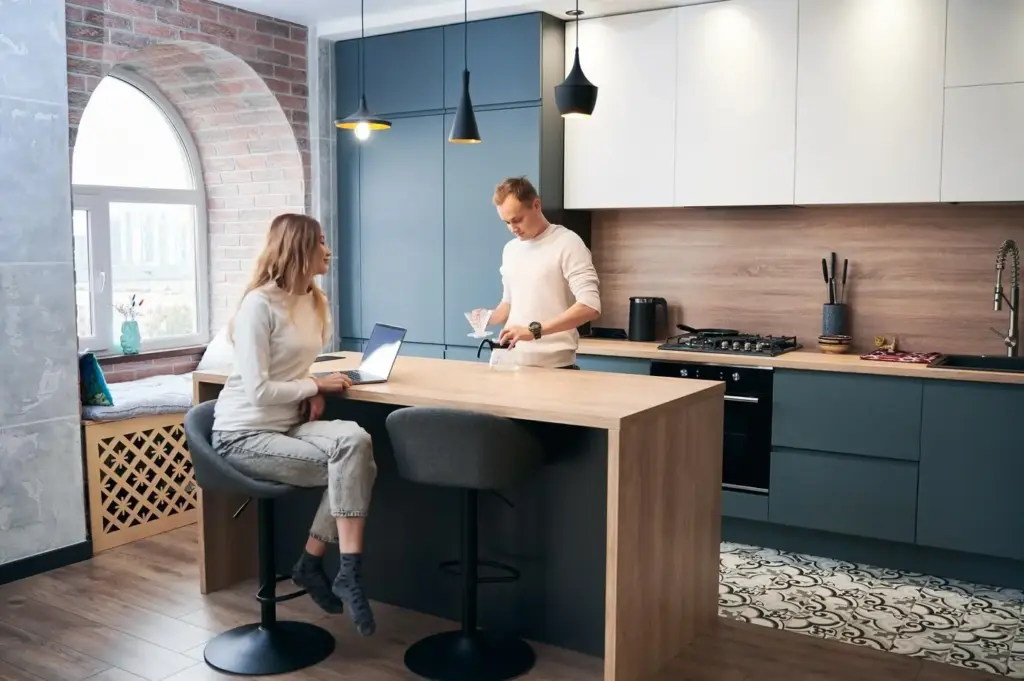
Rooms That Evolve with Your Day
Welcome to a practical, imaginative guide to Reconfigurable Rooms for Everyday Living, where the same square feet deliver breakfast nooks, focused work zones, playful afternoons, and restful evenings. Discover sliding partitions, modular pieces, and smart routines that turn constraints into possibilities, inviting comfort, productivity, and delight without adding a single extra room.
Foundations of Flexibility
Design spaces that shift gracefully with your routines by prioritizing adaptable zones over permanent divisions. Combine movable storage, modular seating, and generous circulation paths so rooms can pivot quickly without clutter. Clear anchors for power, lighting, and seating let everything flow, while simple habits make transitions effortless and genuinely enjoyable.

From Walls to Zones
Replace fixed walls with layered zones defined by rugs, lighting pools, and low shelving that doubles as subtle boundaries. Sliding screens and lightweight curtains enable privacy on demand, while leaving the overall room feeling airy. This approach keeps sightlines open, boosts daylight, and creates a friendly canvas for frequent, low-effort transformations.
The Furniture That Does More
Choose pieces that seamlessly switch roles: a sofa that stretches into a guest bed, a fold-down desk that disappears after work, nesting tables that expand for projects, and ottomans hiding toys or files. Lockable casters encourage movement, while durable finishes survive daily shifts without showing stress, encouraging spontaneous, playful reconfiguration.
Daily Life Scenarios
Think in scenes rather than rooms. Morning routines benefit from quick access to breakfast zones and bright light; afternoons favor deep-focus work with fewer visual distractions; evenings invite soft conversation and play. Planning predictable transitions between these moments helps your home support energy, attention, and rest without sacrificing openness or warmth.
Space-Saving Mechanisms
Mechanics make magic. Sliding, folding, and pivoting elements unlock hidden capacity in compact footprints, creating rooms within rooms. Ceiling tracks, pocket cavities, and raised floors conceal movement paths. Thoughtful hardware and tolerances ensure reliability, while safety stops, soft-close guides, and intuitive handles encourage frequent, confident use by every member of the household.
Comfort, Acoustics, and Light
Flexibility should feel good. Balance openness with acoustic control, layer lighting for mood and function, and stabilize temperature even when partitions shift. Soft materials, adjustable fixtures, and well-placed vents support calm, conversation, and concentration. Comfort becomes the gentle backbone that makes frequent reconfiguration feel natural rather than disruptive or exhausting.
Taming Noise Between Zones
Combine plush rugs, dense curtains, and upholstered panels to reduce echo and block cross-talk. Add door sweeps to sliding panels and use staggered seams to lessen sound leaks. A small white-noise source near busy zones masks clangs, enabling work calls, bedtime reading, and spirited play to coexist without tension.
Lighting Layers That Guide Behavior
Blend ceiling ambient light with precise task lamps and warm accent glows to cue different activities. Smart dimmers transform brightness and color temperature in seconds. Put switches exactly where scenes begin and end, so transitions from work to dinner to movie night happen smoothly, without rewiring or visual clutter.
Air, Warmth, and Fresh Comfort
Ensure vents and radiators are never blocked by movable pieces, and use fans with reversible flow to balance temperature across zones. Low-noise purifiers and openable windows refresh air between scenes. Thermal curtains help at night, while breathable fabrics keep rooms welcoming as layouts flex between focused and social settings.
Smart Controls and Routines
Technology should simplify, not dominate. Scene-based controls, gentle automations, and privacy-first sensors make reconfiguration delightful. A few well-chosen devices orchestrate light, sound, and climate, while physical overrides keep everything human-friendly. Build routines that encourage rest, focus, and hospitality without trapping you in complicated, fragile, or overly prescriptive systems.

Sustainability and Budget
Adaptability reduces waste by extending usefulness rather than chasing square footage. Invest in durable hardware, timeless forms, and replaceable parts. Source pre-loved items where structure matters most, and curate textiles for personality. Phase projects intentionally, measuring real gains before expanding, so every dollar compounds comfort, resilience, and daily freedom.
Buy Once, Adapt Forever
Prioritize components that outlive trends: aluminum tracks, solid hinges, modular shelving with spare parts, and washable slipcovers. Repairable designs keep materials circulating, while warranties signal seriousness. Choose neutral bases and swap accents seasonally, gently evolving expression without landfilling entire rooms when tastes, families, or routines naturally change.
Materials with a Second Life
Seek panels made from recycled fibers, reclaimed timber for shelving, and low-VOC finishes that support healthy air. Select fasteners and fittings that disassemble cleanly for future reuse. When elements can be repurposed elsewhere, your evolving layout becomes a long-term ecosystem, not a cycle of disposal and regret.
Phasing Projects Wisely
Begin with the bottleneck that frustrates you daily—perhaps a foldaway desk or better lighting. Live with each change, measure its impact, then expand deliberately. This approach protects budgets, reduces construction fatigue, and produces a space tailored by experience rather than wishful thinking, accumulating confidence with every thoughtful step.
Real Stories and Community
Every flexible home teaches something. We share small victories, honest missteps, and clever upgrades that made real lives easier. Add your voice in comments, subscribe for practical ideas, and send photos of your transformations. Together we refine strategies, celebrate progress, and cheer each other through daring, delightful rearrangements.
A Studio That Hosts Family Dinners
A 360-degree pivot panel hides a fold-out table that seats six, while stools live under a window bench. After dessert, a two-minute reset collapses everything, restoring yoga space. The owner credits labeled drawers and ceiling tracks for making weekly gatherings effortless, joyful, and surprisingly calm in under four hundred square feet.
A Kids’ Room That Grows Up
Bunk beds with removable lower rails, a rolling craft island, and pegboards keep activities fluid. As homework replaced finger paints, a fold-down desk took center stage. Parents say nightly five-minute resets saved sanity, turning cleanup into a game and freeing weekends for adventures instead of endless sorting and nagging.
A Home Office Without Sacrificing Living
A renter installed a curtain track and compact cabinet desk that closes like luggage. Acoustic panels double as art, and a collapsible green screen vanishes behind the sofa. The ritual of shutting the desk signals quitting time, protecting home life while keeping professional energy sharp, focused, and refreshingly portable.