Designing Homes That Age Gracefully
Universal Design Foundations for Everyday Confidence
Clear Paths and Thoughtful Widths
Light, Contrast, and Fall Prevention
Effortless Reach and Controls
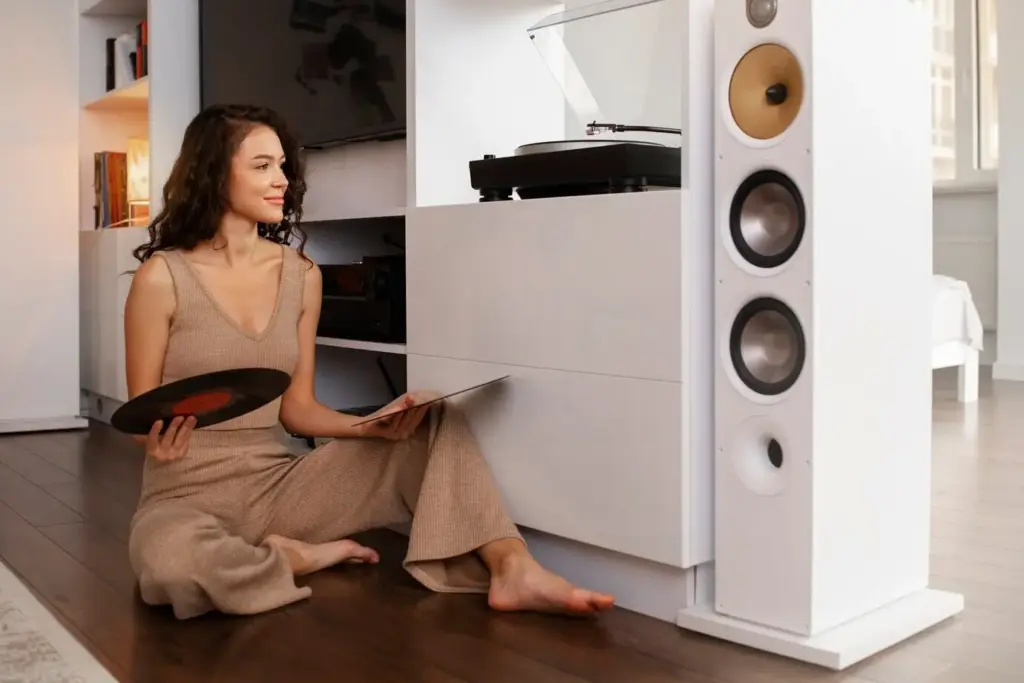
Room-by-Room Adjustments That Feel Natural
Technology That Extends Independence
Voice, Sensors, and Gentle Automation
Telehealth Corners and Private Calls
Emergency Readiness Without Anxiety
Ergonomic Seating and Adaptive Tables
Healthy, Easy-Care Surfaces
Color, Contrast, and Tactile Cues
Materials, Furniture, and Color That Support the Body
Style with Warmth, Identity, and Joy
Priorities, Phasing, and Smart Savings
Identify high-impact upgrades first: entries, bathrooms, and lighting. Tackle quick wins like lever handles and brighter bulbs while planning bigger renovations. Consider rentals or grants for short-term equipment and investigate tax incentives where available. Phasing work reduces disruption and spreads costs, protecting energy and routines. Keep a contingency for surprises behind walls. Document decisions, finishes, and measurements to reduce future guesswork. Thoughtful sequencing ensures momentum, preserving both budget and morale as accessibility quietly becomes everyday comfort.
Working with Pros and Codes
Select a team experienced in accessibility, asking for references and photos of completed projects. Verify familiarity with local codes, permits, and structural considerations for grab bar blocking, ramp slopes, and doorway changes. Collaborate with occupational therapists to translate abilities into precise design moves. Request mockups or blue tape walkthroughs to test reach, turning, and sightlines before building. This shared language between professionals and residents saves time, money, and frustration while safeguarding dignity and long-term resilience.
Community Support and Your Voice
You are not alone. Invite neighbors, family, and local groups to share resources, from reliable contractors to lending closets for temporary equipment. Discuss routines openly so changes support real habits, not assumptions. Please comment with questions, subscribe for upcoming checklists, and share your own victories or frustrations. Collective wisdom turns isolated challenges into shared progress. As stories accumulate, they inspire thoughtful design decisions, strengthening independence while keeping the home’s spirit friendly, welcoming, and unmistakably yours.