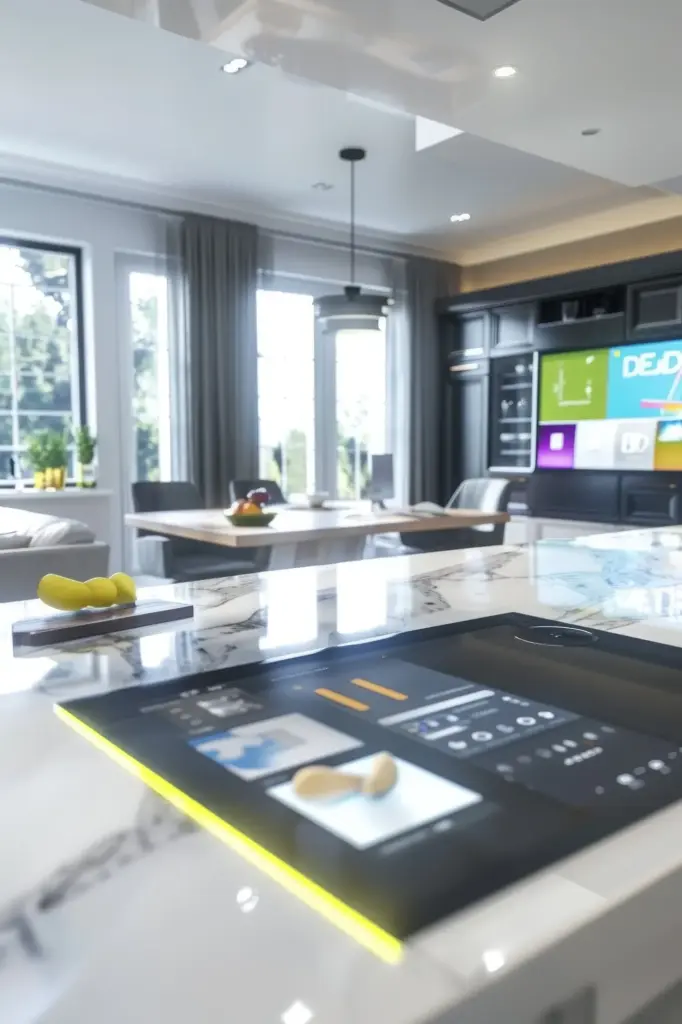


Rooms That Shift at a Voice’s Whim

Today we’re exploring Smart Home Automation for On-Demand Room Layout Changes, where movable partitions, responsive furniture, and context-aware controls reshape your space in seconds. Imagine walls that glide, tables that elevate, and lighting that adapts instantly, guided by sensors, voice, or routines to support work, play, rest, accessibility, and comfort without compromises.

Why Flexible Spaces Matter Now

Homes carry more responsibilities than ever—office, gym, classroom, cinema—yet square footage rarely grows with expectations. On-demand reconfiguration lets one room serve many lives, switching modes with minimal effort and maximum safety. Beyond novelty, dynamic layouts support wellbeing, reduce clutter, and democratize access for people whose needs change throughout the day or over time.

Motion, Power, and Safety Under the Surface

{{SECTION_SUBTITLE}}
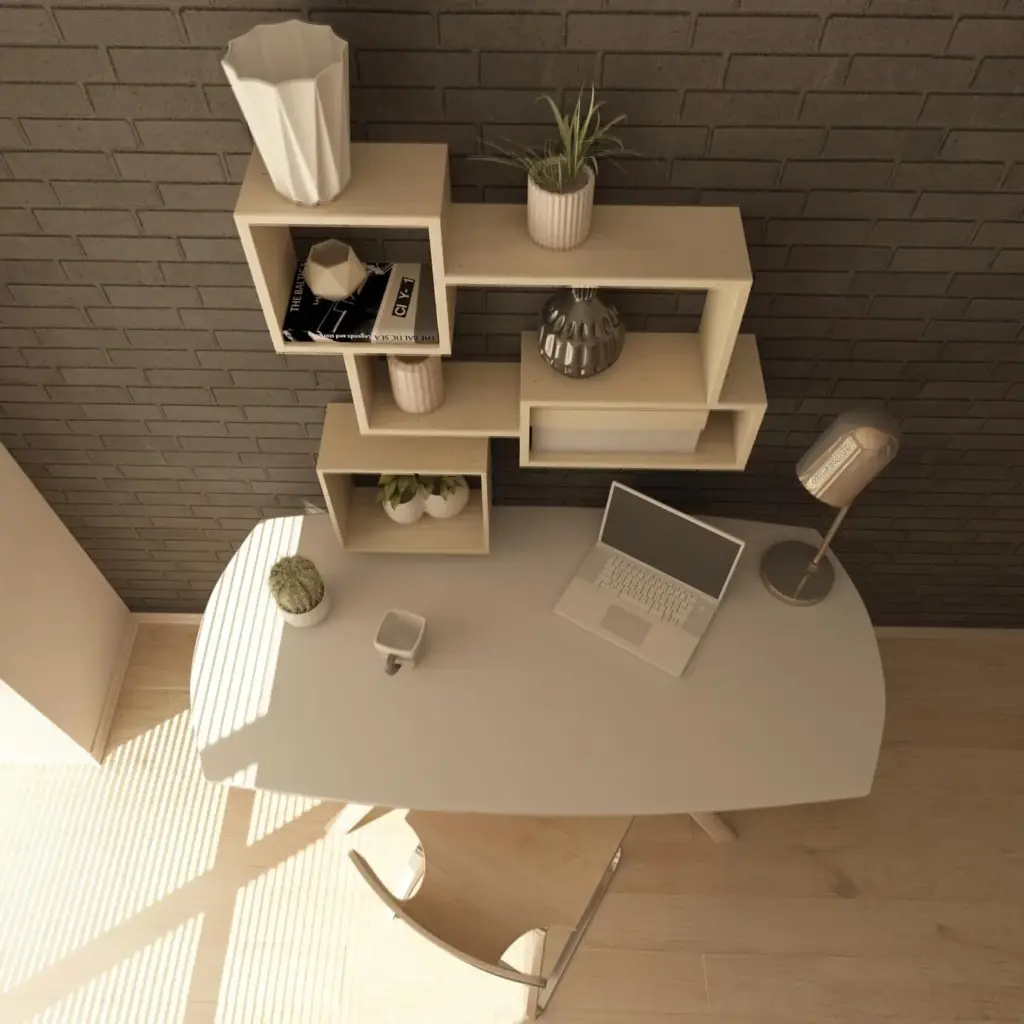
Actuators, Rails, and Locking Mechanisms

Linear actuators, belt drives, or quiet stepper systems provide smooth travel for partitions and furniture, guided by aligned rails and soft-start logic. Positive locks prevent drift, while torque limits protect users. Choosing rated components and balanced loads preserves structural integrity, minimizing vibrations and wear for consistent, predictable motion across thousands of cycles.

Power Delivery and Cable Management

Moving elements demand disciplined power and data handling. Overhead busways, retractable reels, or robust cable chains prevent tangles and abrasion. Low-voltage control lines ride safely alongside mains, with shielding where needed. Battery-backed controllers enable graceful stops during outages, while labeled junction points simplify maintenance and upgrades without tearing into walls later.

Interfaces That Feel Invisible

Great control disappears into life. Voice, presence, gestures, and adaptive scenes anticipate intent without overwhelming choices. Clear, accessible controls live where they help most, and feedback gently confirms actions. The result is a system that feels intuitive and respectful, empowering every member of the household to transform spaces without friction or fuss.

Voice, Gesture, and Context Awareness

Short phrases like “open the studio” or “close for bedtime” trigger coordinated motion, lighting, and sound profiles. Simple gestures perform quiet magic when voice isn’t ideal. Context smarts—time, occupancy, and activity cues—refine decisions. Everything remains transparent, with confirmations and safe speeds so movement feels natural, considerate, and precisely under your control.

Scenes, Routines, and Predictive Cues

Scenes bundle actions: the wall glides, the desk lifts, acoustic panels pivot, and lights warm. Routines learn patterns, offering suggestions you can accept or ignore. Predictive cues never rush decisions; they surface helpful options. With granular controls always available, your system supports spontaneity while still delivering consistent, calming convenience day after day.

Use Cases from Morning to Midnight
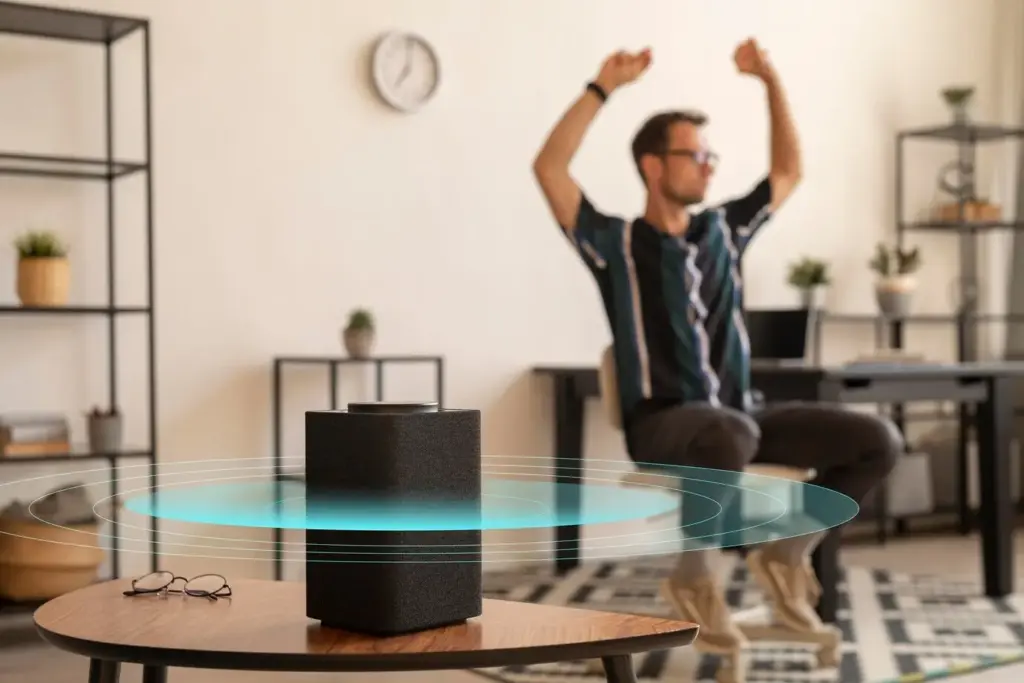
Studio That Resets Daily

A bed lifts into a soffit, revealing a matt for yoga and a fold-out workstation. A whisper-quiet partition slides to create privacy for calls, then opens for dinner with friends. Lighting tracks follow the active zone, saving energy and widening the perceived footprint without sacrificing comfort or quiet, contemplative evenings alone.

Family Room That Hosts Everyone

Toy storage rolls under a raised console, seats reconfigure for movie night, and acoustic drapes glide to contain excitement. During parties, a table extends and the wall display pivots outward. Safety sensors keep little fingers protected. At bedtime, a single routine restores order, guiding the room back to calm, recharged readiness.

Office by Day, Wellness by Night

A sit-stand desk disappears into a cabinet, revealing mirror panels and soft uplighting for stretches or meditation. Speakers pivot toward a mat, while a compact divider muffles hallway noise. Scheduling aligns transitions with calendar cues. The space breathes with your intentions, supporting deep work, decompression, and restorative rituals without compromise or clutter.

Blueprints for Renovations and New Builds

Whether retrofitting an apartment or planning a custom home, success starts with pathways for motion, power, and maintenance. Early coordination among architects, electricians, and integrators reduces surprises. Prioritize testable modules, clear documentation, and reversible decisions. The best designs evolve gracefully, absorbing upgrades and new behaviors without tearing open ceilings again later.

Retrofitting with Minimal Disruption

Surface-mounted tracks, wireless controls, and battery motors create meaningful transformations without rewiring the entire house. Plan anchor points into studs, distribute loads, and route cables behind trims. Pilot one room to validate assumptions, then scale. Leave inspection panels for service. Small, reversible steps deliver confidence and momentum without overcommitting before lessons crystallize.

Preplanning for Structural Clarity

New builds invite generous ceiling voids, conduit runs, and service corridors. Early load calculations ensure motors and rails meet structural realities. Dedicated low-voltage closets keep brains tidy, while access hatches ease future changes. Thoughtful separation of power and data prevents interference, preserving the quiet, reliable motion that makes everyday transformation feel magical.

Choosing Partners and Standards

Seek integrators who embrace open protocols, clear safety practices, and documentation. Verify certifications where applicable, and prioritize systems with local control options. Ask for maintenance schedules and spare parts lists. Clear agreements reduce downtime, while standards-based gear keeps your home adaptable, affordable to service, and free from risky vendor lock-in over time.

Privacy, Security, and Trust You Can Feel
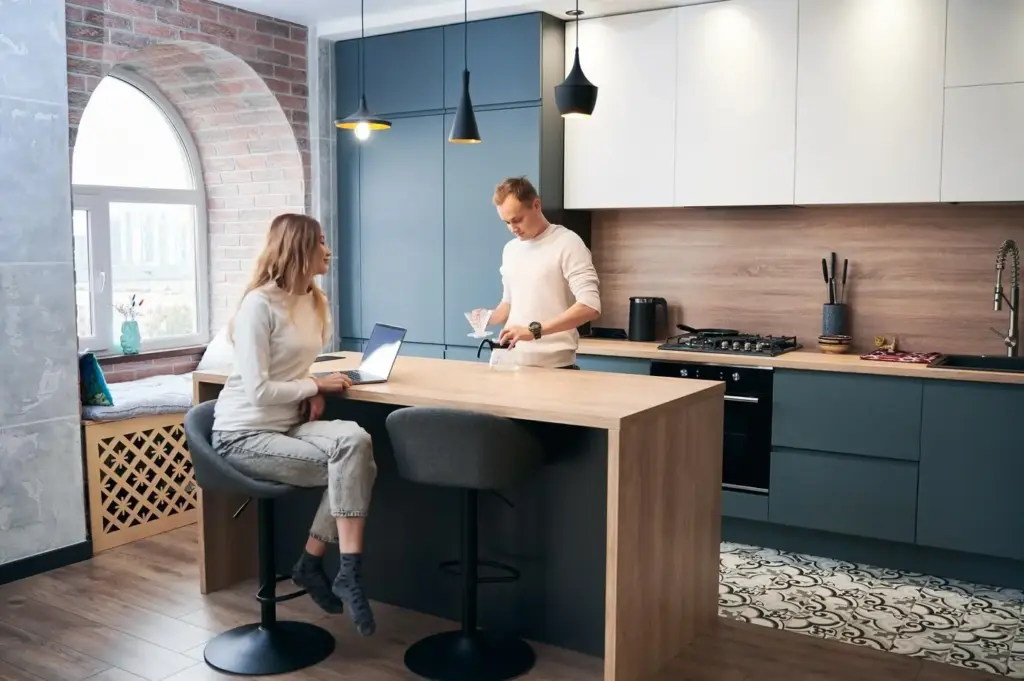
Dynamic homes collect signals about presence and preferences, which demands respectful stewardship. Favor local processing, explicit consent, and transparent logs. Provide physical overrides and clear status lights. Thoughtful data choices prevent convenience from overshadowing dignity, ensuring your living space remains sovereign, supportive, and genuinely safe for every person who calls it home.

Local Control and Resilience

Keep core automations running locally so reconfiguration still works if the internet drops. Encrypt remote access, audit user roles, and set sensible rate limits. Test every emergency stop under offline conditions. Resilience makes convenience dependable, transforming impressive demos into everyday habits that survive storms, outages, or vendor hiccups without drama or delay.

Respectful Sensing Without Surveillance

Prefer occupancy sensors, door contacts, and environmental data over always-on cameras. Where cameras help, use privacy shutters and clear indicators. Summarize activity without storing sensitive footage. Residents should understand what signals drive motion, with the option to silence them. Trust grows when visibility and control match your home’s remarkable, adaptive capabilities.

Getting Started: A Confident, Practical Path

{{SECTION_SUBTITLE}}

Audit Needs and Define Moments

Track where clutter collects, which activities fight for space, and when transitions feel clumsy. Write specific moments: calm reading corner at six, open floor at seven. Let needs dictate motion, not the reverse. This clarity keeps purchases lean, choices reversible, and outcomes genuinely transformative instead of expensive, mismatched technological theater.

Prototype with Low-Risk Modules

Start with one motorized track, a simple partition, and a safe control like a large button paired with voice. Measure noise, speed, and family comfort. Adjust scenes until they feel intuitive. Early wins seed confidence, reveal edge cases, and guide smarter investments before you scale across more rooms or ambitious motions.
Lonifufopulofinuzima
Privacy Overview

This website uses cookies so that we can provide you with the best user experience possible. Cookie information is stored in your browser and performs functions such as recognising you when you return to our website and helping our team to understand which sections of the website you find most interesting and useful.